Blog
AI Image & Video API Guides
Hands-on model tests, production tutorials, prompt techniques, and current API pricing for generative media teams.
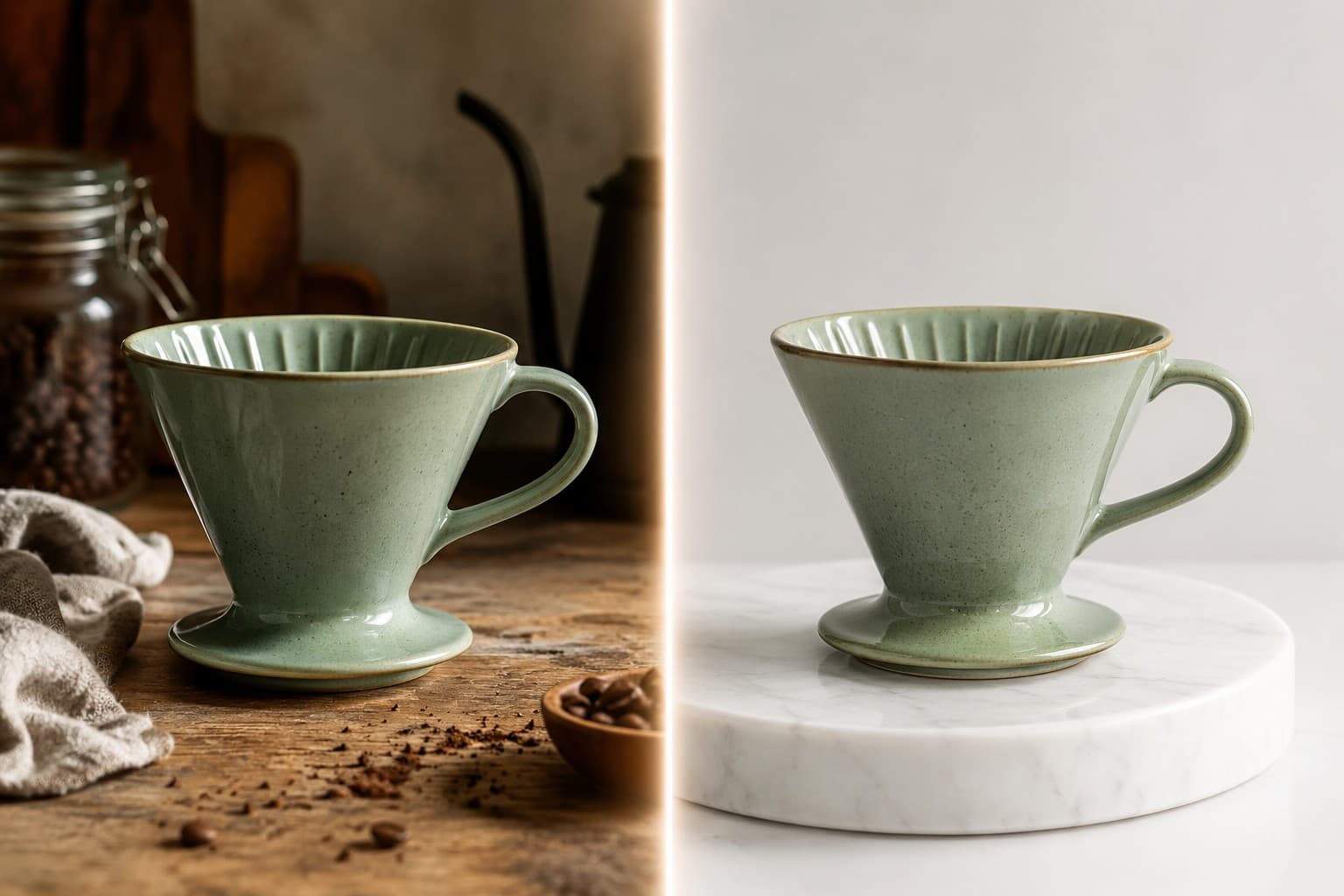
Best Image-to-Image API in 2026: Same Edit, Three Models, Real Results
We ran the identical background-swap edit through gpt-image-2/image-to-image@ext, nano-banana-2, and nano-banana-pro using one source image and one verbatim prompt Nano Banana 2 and Pro preserved the product's exact matte glaze and shape; gpt-image-2 followed the instruction fully but re-rendered the glaze glossier and added a tan rim - identity drift gpt-image-2 i2i starts at $0.007/image (low, 1K) and tops at $0.76 (high, 4K); nano-banana-2 runs $0.076-0.114; nano-banana-pro $0.17-0.2992 Input schemas differ per family: image_urls + required quality/resolution for GPT Image 2, image_input + aspect_ratio for Nano Banana All three run through the same POST /v1/tasks async endpoint, so re-running the test on your own image is three POSTs with the model string swapped
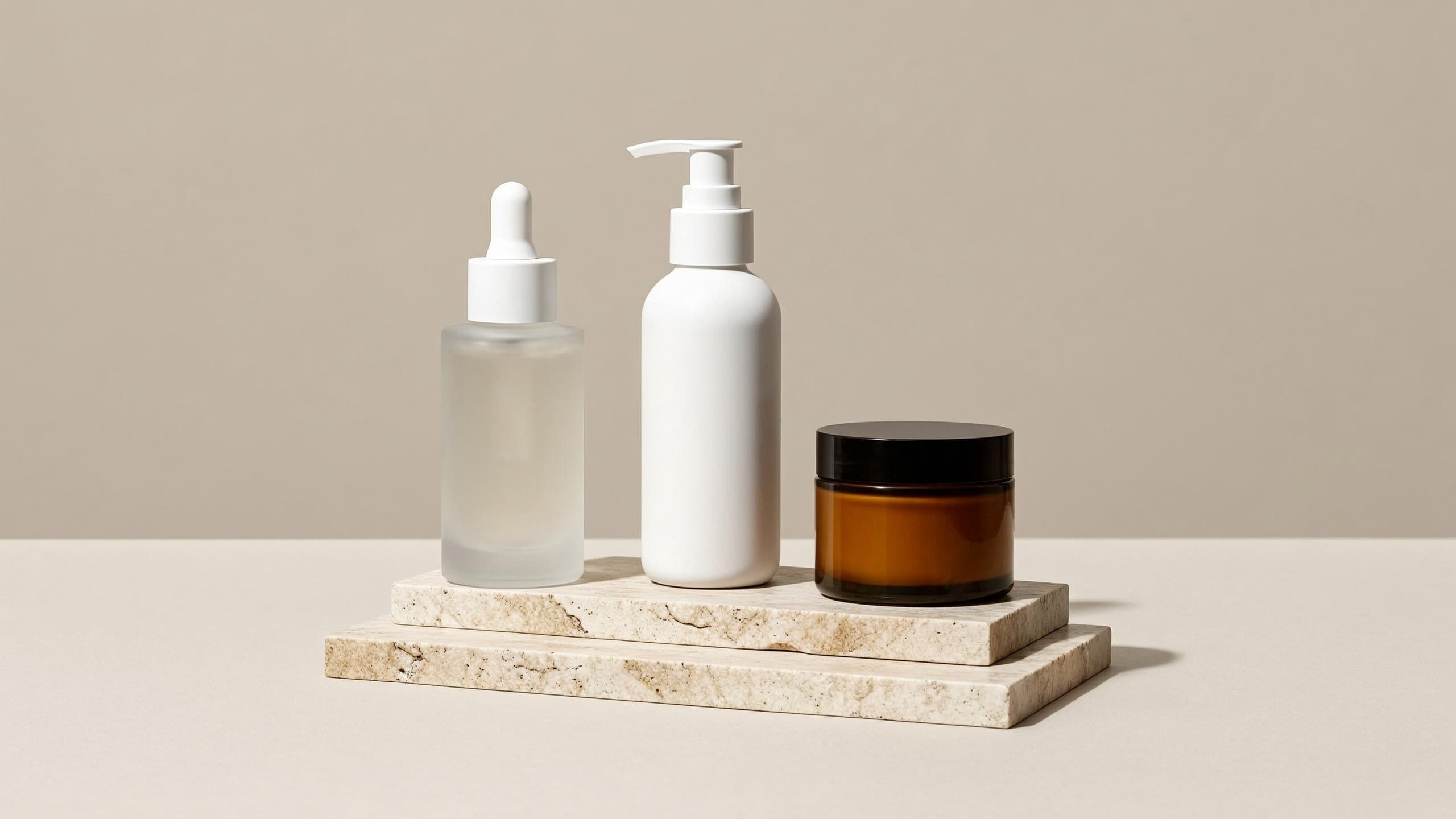
Wan 2.7 Text-to-Image for E-Commerce Product Photos: 4K Studio Shots via One API Call
wan2.7-image/text-to-image generates up to 4096x4096 product photos at a flat $0.08 per image on hiapi, with no 4K surcharge. The async task API returns in 60-90 seconds per image: POST /v1/tasks, poll the task ID, download output[0].url before it expires. Aspect ratios are strictly limited to 1:1, 16:9, 4:3, 21:9, 3:4, 9:16, 8:1, 1:8 — common photo ratios like 3:2 and 4:5 return 400 INVALID_REQUEST. Short quoted brand text renders reliably on packaging shots, but unspecified labels come out as gibberish — quote exact strings or prompt for unlabeled products.

Using Nano-Banana for E-Commerce Product Images via the hiapi API
An anchor-and-restage e-commerce workflow on hiapi: nano-banana generates the $0.05 white-background listing shot, then Nano-Banana-2 restages that exact bottle — and even the same human model — into lifestyle, packaging, and campaign scenes via the image_input reference array. Every image was generated during writing with the exact prompt shown, and all prices are checked against the live pricing page.

FLUX 1.1 Pro for E-Commerce Product Images: A hiapi API Guide
A working e-commerce recipe for flux-1.1-pro on hiapi — every image generated from the exact prompt printed above it, via the async /v1/tasks endpoint. The verified parameter surface: aspect_ratio, width/height (256-1440px), seed, output_format, prompt_upsampling, safety_tolerance — and the 400 you get if you send steps/guidance (they don't exist on this schema). Fixed-seed colourway variants: keep seed and prompt structure identical, swap only the colour word, and get the same composition in a new SKU colour. Batch catalog script with retry handling for transient TASK_FAILED errors, plus flat $0.05/image pricing verified against /api/pricing.

How to Use the Grok Imagine API for Text-to-Video: curl, Python, and a Working Request
Call xAI's Grok Imagine text-to-video model through HiAPI's unified /v1/tasks endpoint with a working curl request, a Python polling client, and the production callback pattern. The exact live-verified input schema — prompt, duration 6-30s, fun/normal mode, five aspect ratios, 480p/720p — plus the 400s you hit when you guess field names.

How to Use grok-imagine/image-to-video via the hiapi API: curl, Python, and a Working Request
grok-imagine/image-to-video runs on hiapi's unified task API: POST /v1/tasks to create, poll GET /v1/tasks/<id>, download data.output[0].url. input.image_urls (an array of public HTTPS URLs) is required; duration is an integer from 6 to 30 seconds. For batches, add callback: {url, when: "final"} instead of polling - only 'final' is supported, so make your handler idempotent on taskId. Output URLs are signed with expireAt: download the MP4 immediately, never store the hot link.

Using z-image for E-Commerce Product Images via the hiapi API
z-image is a Turbo text-to-image model priced at $0.008/image with unusually reliable in-image text rendering — the property that matters most for e-commerce assets like price tags, promo banners, and packaging labels. Five real recipes with unretouched outputs: hero shot with a price tag, 16:9 promo banner, vertical discount card, macro packaging label, and a no-text colorway lineup — every image was generated from the exact prompt shown beside it. Verified API facts: /v1/tasks endpoint; input takes prompt + aspect_ratio only (sending resolution returns 400); valid ratios are 1:1, 4:3, 3:4, 16:9, 9:16; output URLs expire, so download immediately. Batch economics: 600 catalog images cost $4.80 on z-image vs $18 on gpt-image-2 — cheap enough to build an OCR-verify-and-retry loop into the pipeline.

Short-Form Video with wan2.7-video/text-to-video@pro: An End-to-End hiapi API Workflow
wan2.7-video/text-to-video@pro generates up to 1080P MP4 clips with native AAC audio, 2-15 seconds, in five aspect ratios including vertical 9:16 — all through hiapi's async /v1/tasks endpoint. The guide includes a verified full input schema, working curl and Python examples, and two real clips generated by the exact code shown.
How to Use seedance-2.0-fast via the hiapi API: curl, Python, and a Working Request
seedance-2.0-fast is a text-to-video model on hiapi's unified async /v1/tasks endpoint: POST to create a task, poll GET /v1/tasks/<id> or register a callback, then download data.output[0].url before the signed link expires. The input schema is strict — only prompt (required), duration (integer 4–15), resolution (480p/720p), and aspect_ratio are accepted; every request shape and error message in this guide was verified against the live API.

Kling Image-to-Video API in Python: Omni vs Turbo Working Examples
This is the generic Python guide for Kling image-to-video on HiAPI, covering both Omni and Turbo through one async task runner. Omni accepts one or two frame images, 720p/1080p/4K, and optional sound; Turbo accepts one image and 720p/1080p. The article includes two model-accurate payloads, current price differences, polling, failure handling, and output download.
Build with the models you just read about.
Compare image, video, and audio models, then use the same API workflow in production.