Blog
AI Image & Video API Guides
Hands-on model tests, production tutorials, prompt techniques, and current API pricing for generative media teams.
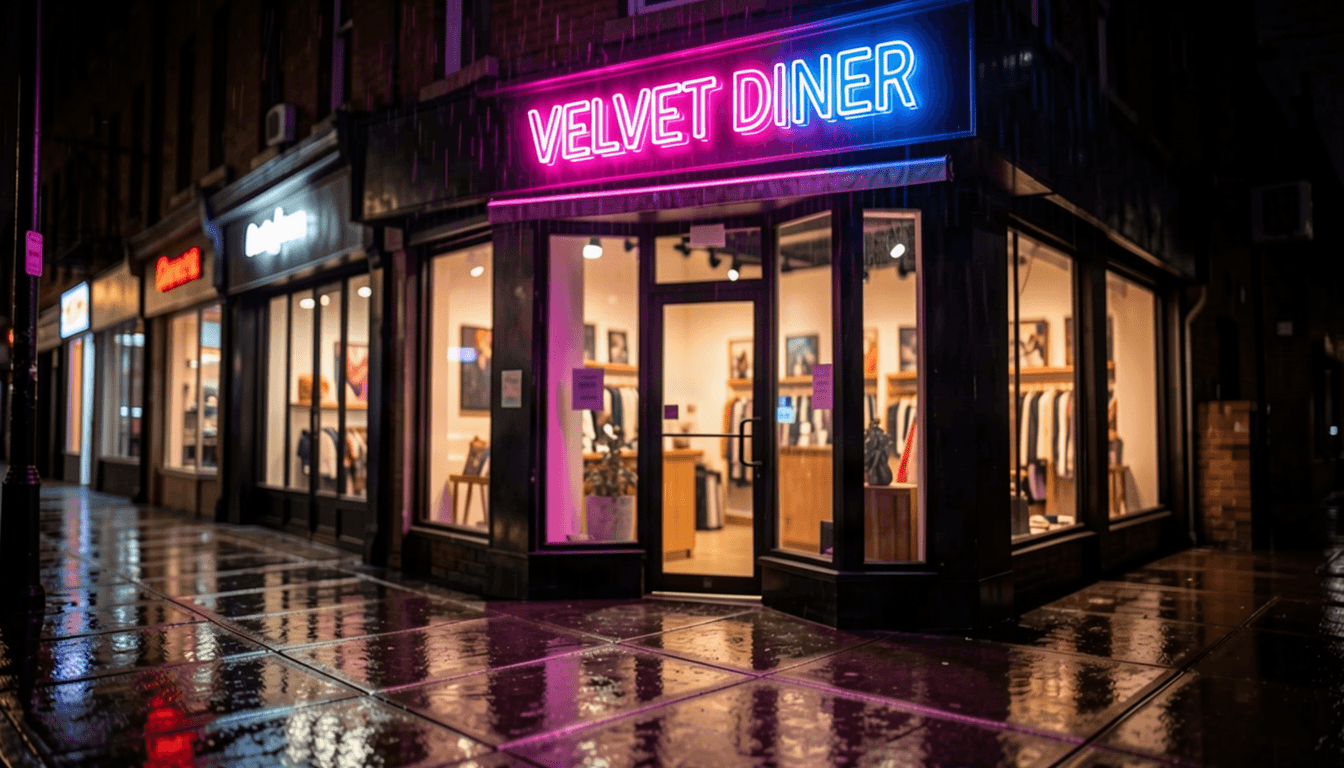
FLUX.2 Klein 9B Prompts: 5 Image-to-Image Recipes With Real Outputs
We ran five real image-to-image prompts through flux-2-klein-9b/image-to-image and are sharing the exact prompts, outputs, and one honest miss. Four of five edits followed instructions exactly — adding a label badge, swapping glass material, replacing signage text outright, and reformatting to vertical all landed clean. One edit (a masthead text swap) got both text lines right but the background photo drifted slightly instead of staying pixel-locked. Pricing is a flat /bin/zsh.03143 per image with no resolution tiers, based on hiapi's live pricing. Every prompt uses a 'keep X unchanged, change only Y' pattern — the single biggest lever for getting predictable image-to-image edits.

Seedream 5.0 Pro for E-Commerce Product Photography: A Text-to-Image Workflow
Seedream 5.0 Pro's text-to-image endpoint generates e-commerce-ready product scenes — hero packshots, promo banners with rendered text, and styled flat-lays — from a written description alone, with no source photo required. Text rendering held up on the first take: banner copy came back correctly spelled and evenly kerned, though every AI-rendered text asset still needs a manual proofread pass before publishing. Pricing is resolution-gated at $0.05 per image at 1K and $0.10 per image at 2K, with the live API accepting only 8 fixed aspect ratios — notably not 4:5 or 5:4 despite those appearing in general docs. This is a from-scratch generation workflow; readers starting from an existing product photo should use Seedream 5.0 Pro's image-to-image mode instead.

FLUX.2 Klein 4B Prompts: 5 Image-to-Image Recipes With Real Outputs
We ran five real image-to-image prompts through flux-2-klein-4b/image-to-image and are sharing the exact prompts, outputs, and one honest failure. Four of five edits followed instructions exactly — adding label text, swapping backgrounds, changing materials, and reformatting to vertical all landed clean on the first try. One edit (a complex-scene text swap) only partially worked: the model kept the original sign text and added the new text as a subtitle instead of replacing it outright. Pricing starts at $0.00715 per image at 1MP and scales up to $0.01143 at 4MP based on hiapi's live pricing. Every prompt uses a 'keep X unchanged, change only Y' pattern — the single biggest lever for getting predictable image-to-image edits.
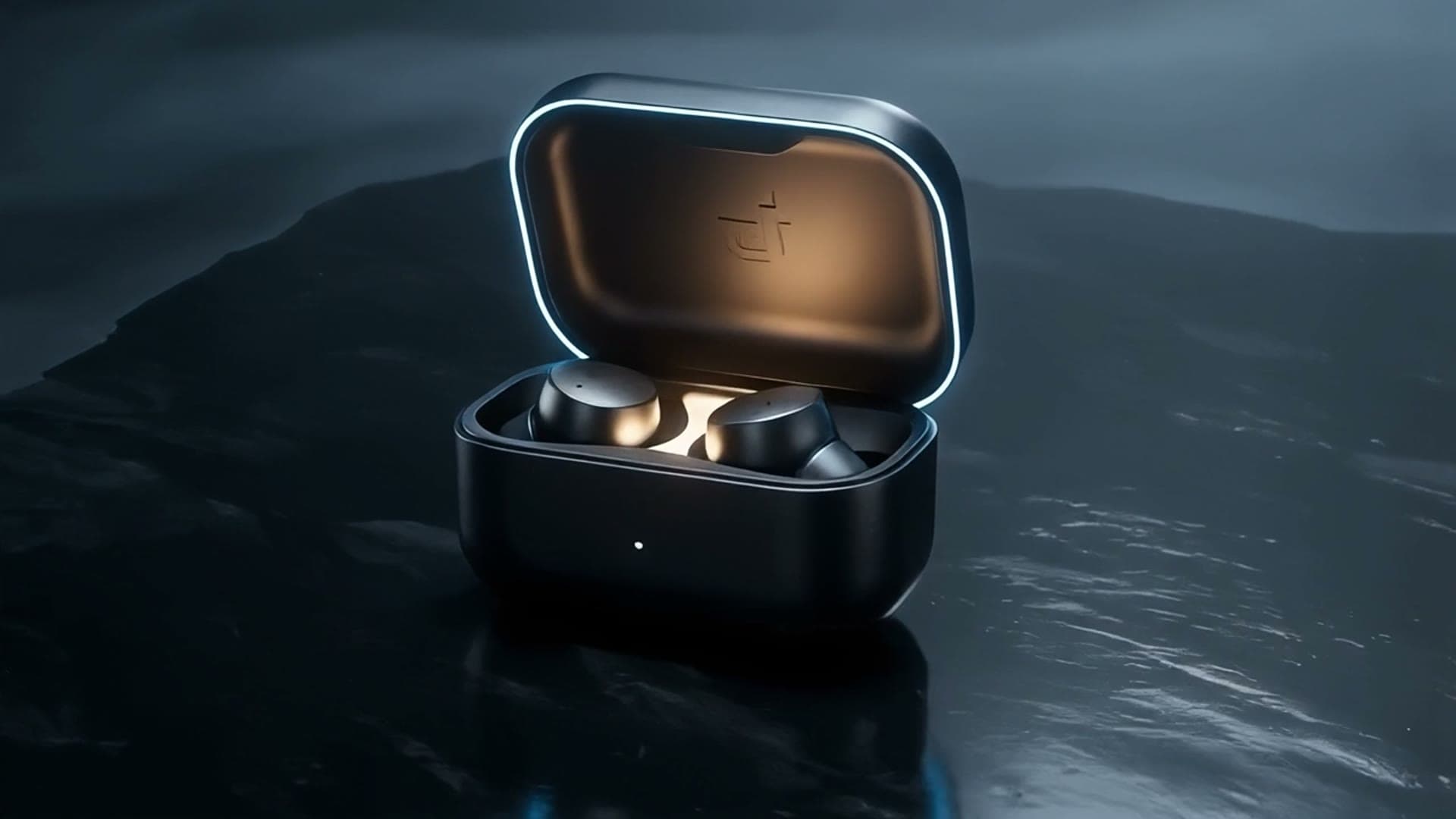
Seedance 2.0 Prompts: Copy-Paste Recipes With Real Video Outputs
Second-by-second beat prompts (0-2s / 2-4s / 4-6s) give seedance-2.0@ext explicit pacing instead of one continuous blur from a mood-word prompt. Three full, copy-pasteable prompts are shown here, each next to its real 6s 720p output: a product reveal, an action tracking shot, and an atmospheric aerial establishing shot. seedance-2.0@ext is text-to-video only on both its routes — image/reference-frame fields are rejected despite what pricing tiers might suggest. Pricing is per output second: $0.149/s at 720p, up to $0.662/s at 2k; each 6s 720p clip in this post cost $0.894. aspect_ratio is a required field with no default (16:9, 9:16, 1:1, 4:3, 3:4, 21:9, adaptive); duration accepts 4-15 seconds.

FLUX.2 Image-to-Image Prompts: 5 Copy-Paste Recipes With Real Outputs
FLUX.2 image-to-image accepts multiple image_urls in one call, enabling true multi-reference compositing, not just single-image restyling. Five copy-paste prompt recipes below: background swap, multi-reference merge, detail retouch, style transfer, and text/label-consistent scene change. Every prompt is paired with its real, first-take output image -- no stock renders. A text-preservation prompt using "logo" language triggered a content-policy rejection; rephrasing as ordinary photo consistency fixed it on retry. 1K edits cost $0.035/image as of August 2026; 2K is $0.05.

How to use minimax-h3 via the hiapi API: curl, Python, and a working request
minimax-h3 runs on hiapi's unified task API: POST /v1/tasks to create, poll GET /v1/tasks/<id>, download data.output[0].url. input.prompt is the only required field; duration is an integer from 4 to 15 seconds, native resolution is 2K only. One model id covers three modes - text-to-video, first/last-frame control, and multimodal image/video/audio reference - switched by which input fields you send. For production, add callback: {url, when: "final"} instead of polling - only 'final' is supported, so make your handler idempotent on taskId.
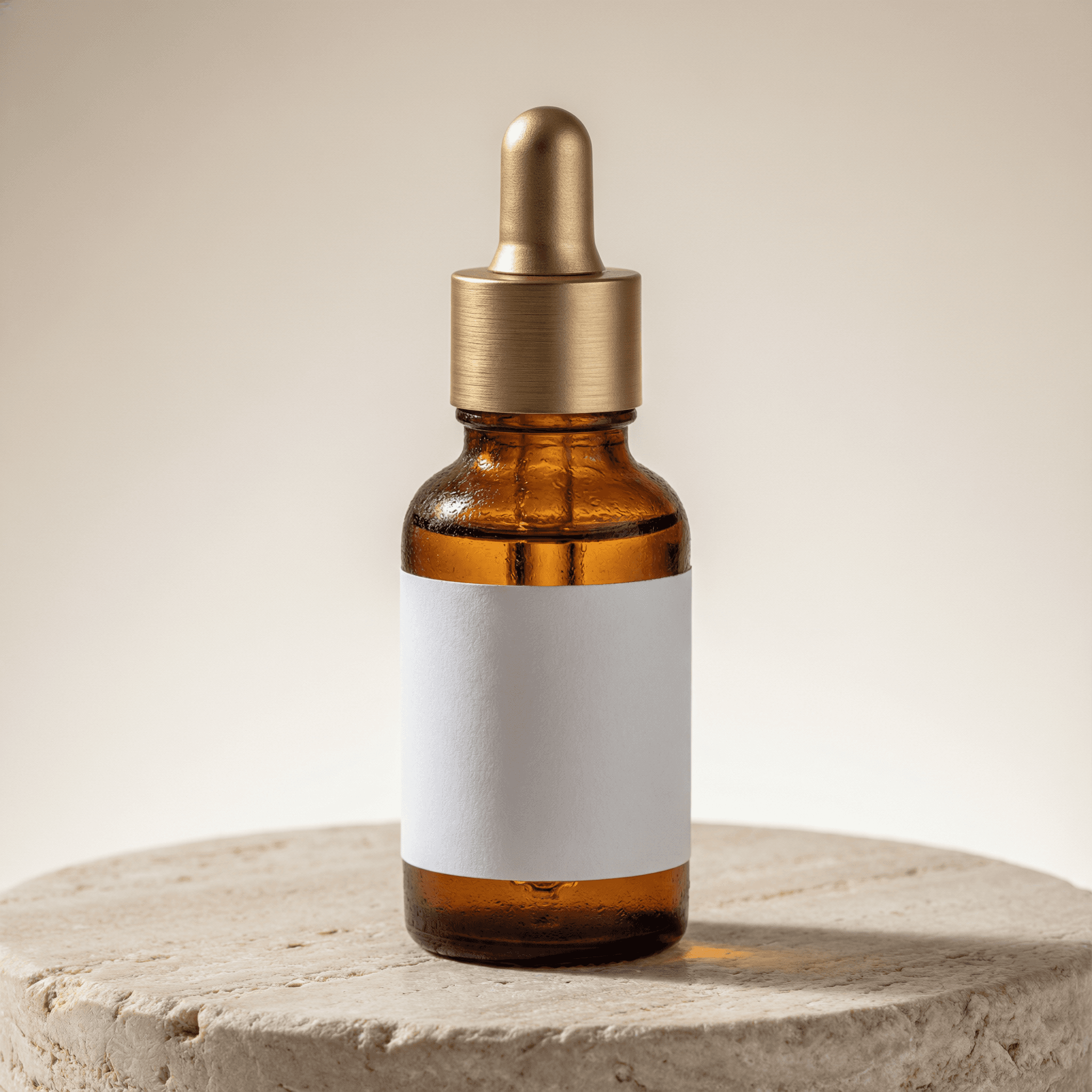
Qwen Image 2.0 Pro for E-Commerce Product Photography: A hiapi API Workflow
A real e-commerce workflow with qwen-image-2.0-pro on hiapi: a hero packshot, a promo banner with rendered sale copy, and a variant grid, generated from the exact prompts and requests shown. The Pro tier's edge over base qwen-image-2.0 is finer photoreal detail and stronger in-image text rendering, at $0.107/image (up to 2048x2048) versus $0.025/image on the base tier. Verified against the live API: input schema is prompt + size (a string like "2048*2048", no aspect_ratio field), text-to-image only with no image-input field. Includes a batch script that fans out hero/banner/grid requests through /v1/tasks in parallel, plus a practical split for when to use the Pro tier versus the cheaper base tier.

How to use flux-2-klein-9b/image-to-image via the hiapi API: curl, Python, and a working request
Working curl and Python examples for flux-2-klein-9b/image-to-image on hiapi's unified task API. Covers the verified request schema, the single-reference-image gotcha, callbacks, and error handling.

How to Use flux-2-klein-9b/text-to-image via the hiapi API
Minimal curl and Python examples for flux-2-klein-9b/text-to-image over hiapi's unified /v1/tasks endpoint. Full parameter table: prompt, aspect_ratio, num_inference_steps, output_format, and seed — the strict schema rejects unknown fields. Production notes: callback.url vs polling, the Idempotency-Key header, and the two error envelope shapes.

How to Use flux-2-klein-4b/text-to-image via the hiapi API
Minimal curl and Python examples for flux-2-klein-4b/text-to-image over hiapi's unified /v1/tasks endpoint. Full parameter table: prompt, aspect_ratio enum, and seed — the strict schema rejects unknown fields. Production notes: callback.url vs polling, the Idempotency-Key header, and the two error envelope shapes.
Build with the models you just read about.
Compare image, video, and audio models, then use the same API workflow in production.