Blog
AI Image & Video API Guides
Hands-on model tests, production tutorials, prompt techniques, and current API pricing for generative media teams.

How to Use flux-2-klein-4b/image-to-image via the hiapi API
flux-2-klein-4b/image-to-image takes one reference image + a natural-language edit instruction and returns an edited image up to 4 MP, through hiapi's unified POST /v1/tasks endpoint. The input schema is strict: prompt and image_urls (max 1 item) are required; resolution, aspect_ratio, seed, output_format, and output_quality are optional — anything else is rejected with a 400. This guide gives a working curl and Python example, covers callback vs polling for production, and lists the exact error shapes for bad auth and malformed input.

Recover ChatGPT file-service:// Assets from a Conversation Export
A file-service:// asset_pointer is an internal reference recorded in ChatGPT conversation JSON, not an HTTP URL. Use a complete data export to match pointer ids in conversations.json with exported asset filenames, then copy the recovered bytes to your own storage. If the export has no matching asset, a gen_id cannot reconstruct it; use the main gen_id recovery guide to choose the next step.

ChatGPT gen_id Download Endpoint: Four Recovery Paths
A ChatGPT gen_id is generation metadata, not a downloadable file id, and no public endpoint resolves it to image bytes. Choose among four recovery paths: download from the original chat, recover file-service assets from a full export, regenerate when only gen_id remains, or use an API for automation. ChatGPT backend-api and oaiusercontent links are signed pickup URLs; re-host recovered files on storage you control.
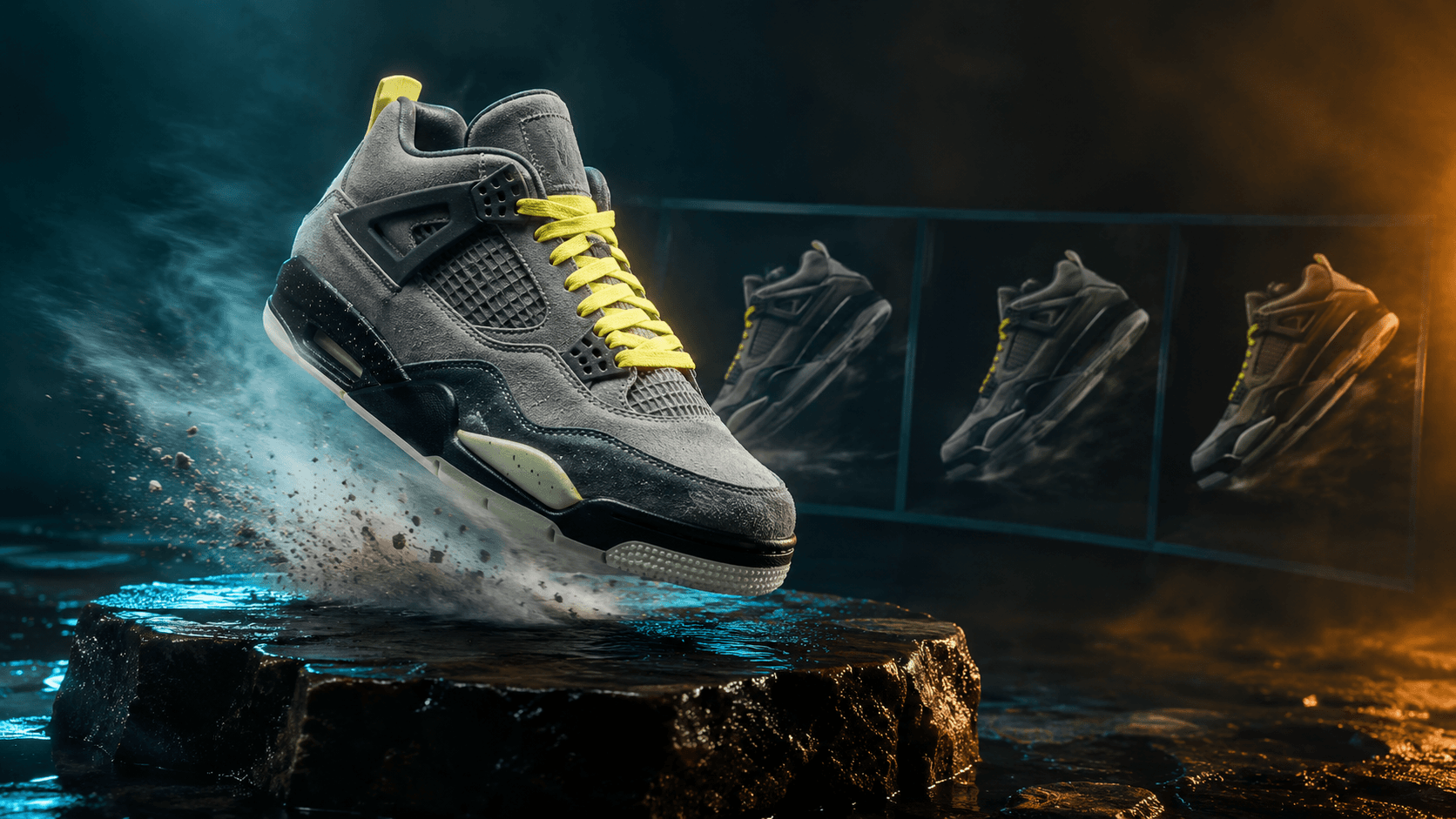
Veo 3.1 Image-to-Video: Turn One Still Into a Short-Form Video Ad via API
A complete short-form video pipeline built on veo-3.1/image-to-video: generate a 9:16 source still, submit one async task, and get back a vertical clip with model-generated audio — every output in the post is a real first take. Includes the live-verified input schema, a draft-cheap-finish-sharp workflow using veo-3.1-fast at $0.25/s, batch submission code, and measured generation times.
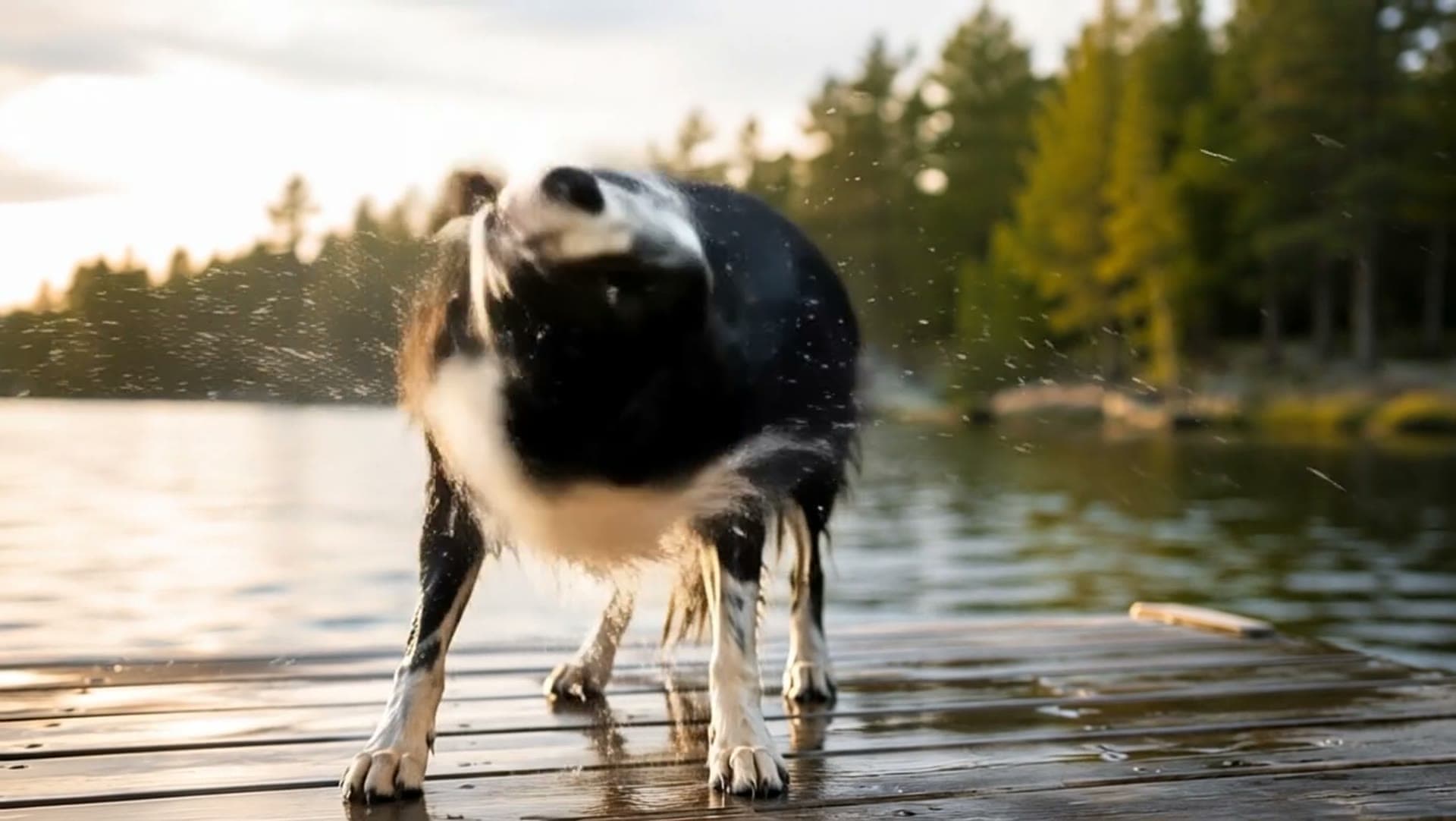
Hailuo 2.3 Image-to-Video Prompts: 3 Copy-Paste Recipes With Real Outputs
Three copy-paste image-to-video prompt recipes for the standard hailuo-2.3 tier, each shown with the exact prompt and the real, first-take 6-second clip it produced. Recipes stress what the standard tier is best at: sustained full-body human motion with trailing cloth, backlit water-droplet physics, and style-faithful animation of an ink-wash illustration. Includes the strict three-field task API schema, a standard-vs-fast tier workflow, and per-clip pricing ($0.40/6s) verified against the live pricing API.
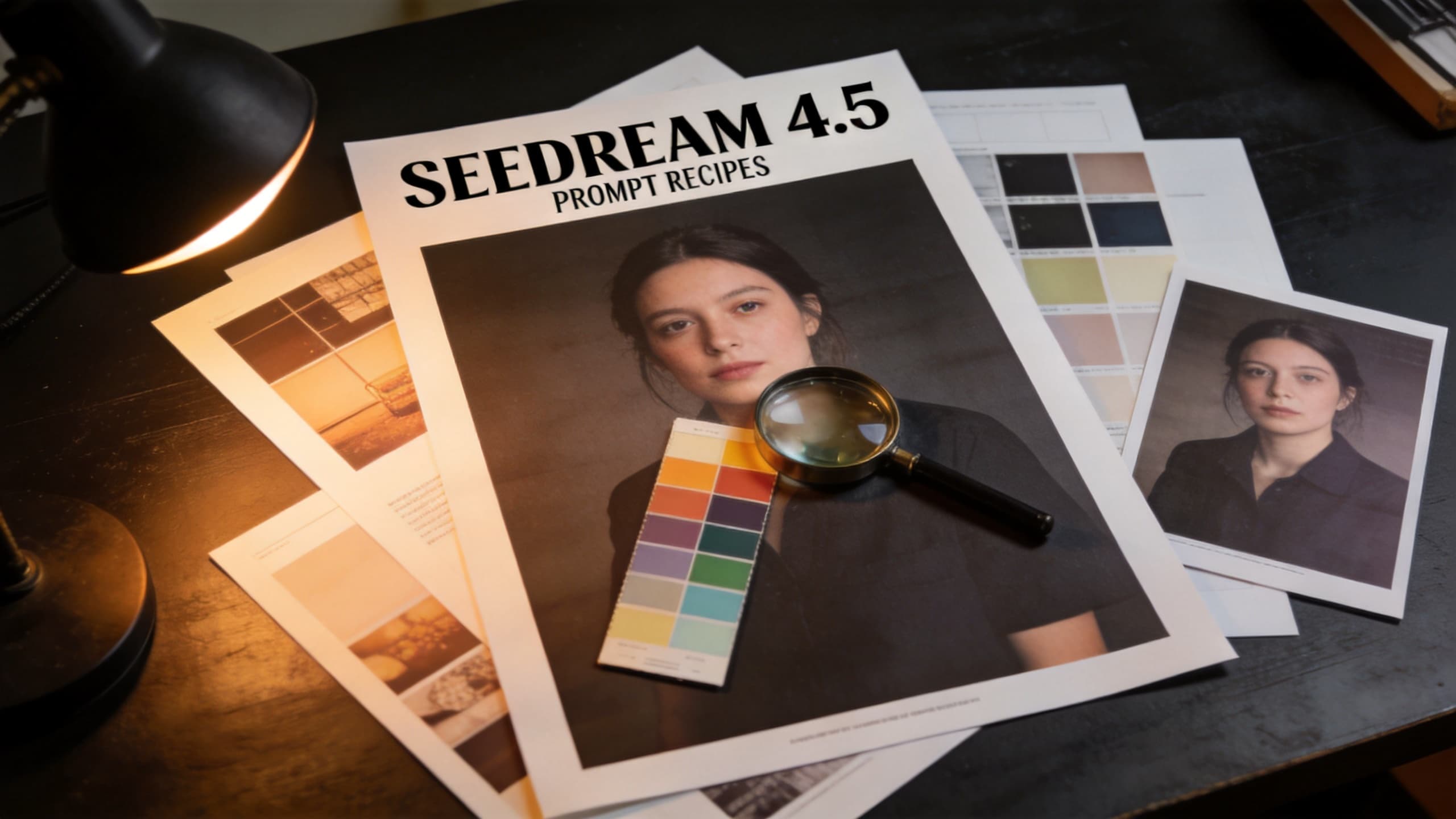
Seedream 4.5 Text-to-Image Prompt Recipes: 6 Copy-Paste Prompts With Real Outputs
Six copy-paste text-to-image prompts for seedream-4.5, each shown with its real, unretouched first output. All 14 quoted text strings across the post — headlines, date lines, labels, menu items, a button — rendered correctly on first takes; the single retake was a branding fix, not a text fix. Covers the tier's practical edge: $0.045 flat per image at 2K or 4K, eight aspect ratios, 61-112 s per task, and a strict 3-field schema.
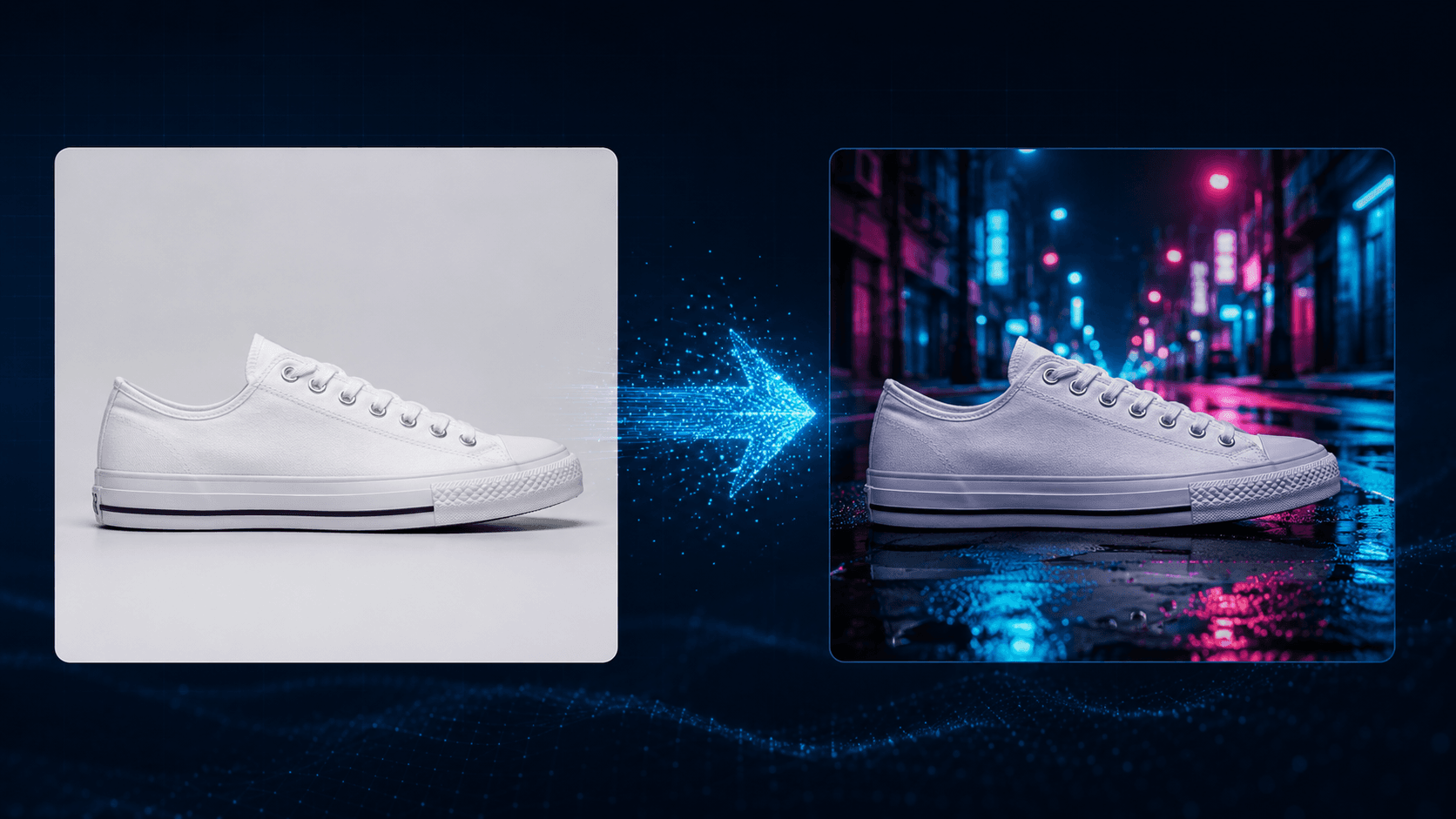
Grok Imagine Image-to-Image Prompt Recipes: 5 Copy-Paste Edits With Real Outputs
Five copy-paste grok-imagine/image-to-image prompts, each paired with its reference image(s) and the raw first-take output it produced on the live hiapi task API - hosted permanently, no retries hidden. The base tier costs a flat $0.035 per image - half the quality tier - and handled a recolor, a scene relocation, a watercolor restyle, a two-reference composite and a sticker conversion first-take. With no strength, seed or negative-prompt fields, the prompt is the whole control surface: every recipe leans on a change-clause plus an explicit keep-clause.
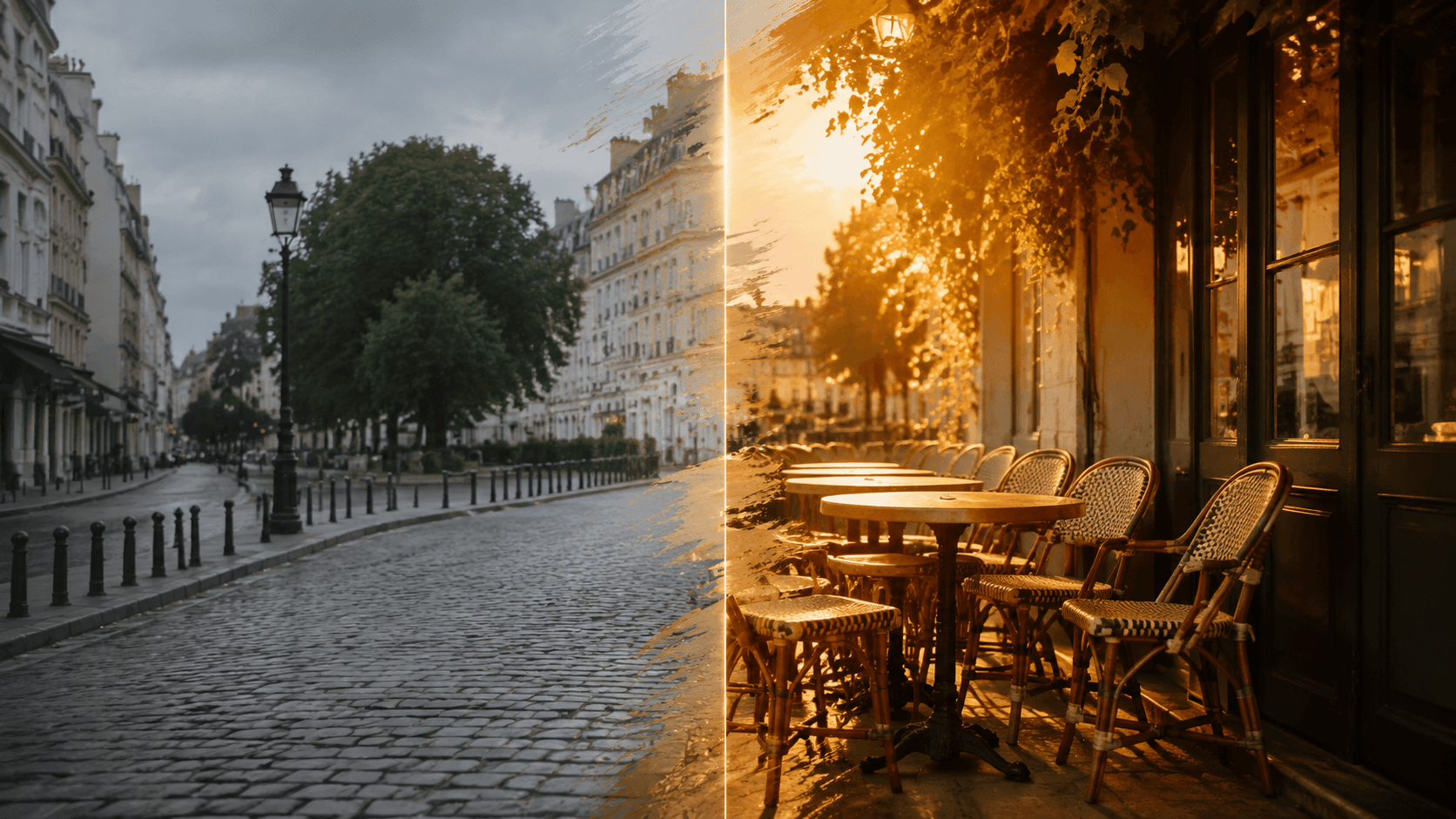
Grok Imagine Quality Image-to-Image Prompt Recipes: Copy-Paste Editing Prompts With Real Outputs
Four copy-paste grok imagine image editing prompts, each paired with its input image and the raw first-take output it produced on the live hiapi API - hosted permanently, no retries hidden. The live-verified schema is prompt + image_urls (1-3 public URLs) plus optional resolution (lowercase 1k/2k) and aspect_ratio (auto + 13 fixed ratios) - no strength, seed or mask; unknown fields 400. The core technique is a change-clause/keep-clause split: state the edit first, then enumerate everything that must survive - the keep-clause is the only consistency control the API gives you. Covers targeted relighting (golden hour with identity locked), photo-to-watercolor style transfer, studio packshot to lifestyle scene swaps, and multi-reference product-into-scene composites. Flat $0.07 per output image at either resolution, with edits returning in 27-39 seconds - the whole article's media bill, bases and cover included, was $0.37.

Kling 3.0 Turbo Image-to-Video Prompt Recipes: Copy-Paste Prompts With Real Outputs
Four copy-paste kling-3.0-turbo image-to-video prompt recipes, each showing the input first frame, the exact motion prompt, and the real clip generated on the live hiapi API — raw first outputs, hosted permanently. Covers a product-shot orbit for e-commerce, a vertical 9:16 portrait cinemagraph, a frozen action moment continued with believable physics, and a living-photo landscape loop. Schema verified live before generating: prompt + image_urls (exactly one public URL) + duration (integer 3-15s) + resolution (720p/1080p); no aspect_ratio field — output follows the input frame. Pricing is per second: $0.13/s at 720p and $0.16/s at 1080p, same flat rate as the t2v variant — a 5s clip is $0.65, a 3s probe $0.39. The core i2v prompting rule: never re-describe the frame — reference its contents, then spend the whole prompt on motion, camera, and what must stay put.
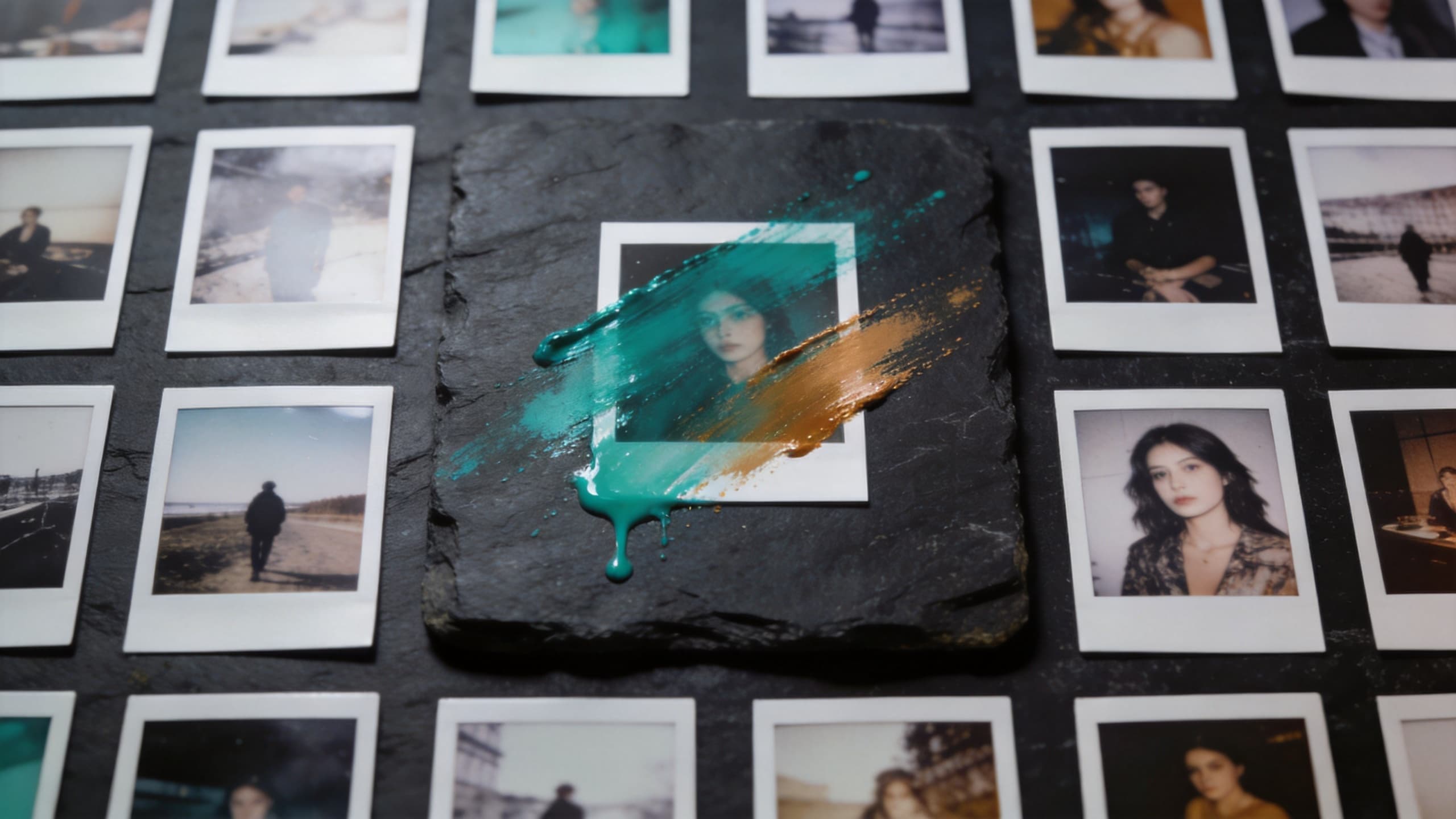
Seedream 4.5 Image-to-Image Prompt Recipes: 6 Copy-Paste Edits With Real Outputs
Six copy-paste image-to-image prompts for seedream-4.5, each shown with its real input and unretouched output. Covers the budget tier's distinctive strengths: $0.045 per edit, up to 14 reference images, and 4K output that the 5.0-pro tier doesn't offer. Includes the exact 4-field task API schema (probed against the live endpoint), a working curl example, and the failure modes we hit — spreading materials and drifting ingredient counts.
Build with the models you just read about.
Compare image, video, and audio models, then use the same API workflow in production.